


Aging is a natural process. Still, the science of collagen shows that we are not helpless in the face of the passage of time. As the most abundant protein in the human body, collagen acts as the “glue” that holds everything together. The smooth texture of your skin depends on this structural powerhouse. The fluid movement of your joints also relies on it. It is the foundation of physical resilience. To keep vitality and a youthful appearance well into later years, one must understand the science of collagen. It is essential for preserving one’s youthful look and vitality.
What Collagen Does in Your Body: The Biological Infrastructure
To truly appreciate the science of collagen, one must look at its molecular structure. Collagen is a hard, insoluble, and fibrous protein that makes up one-third of the protein in the human body. In most collagens, the molecules are packed together to form long, thin fibrils. These act as supporting structures and anchor cells to each other.
There are at least 16 types of collagen. Roughly 80-90% of the collagen in the body consists of types I, II, and III.
- Type I: This type accounts for the vast majority of your body’s collagen and is made of densely packed fibers. It provides structure to skin, bones, tendons, fibrous cartilage, connective tissue, and teeth.
- Type II: This type is made of more loosely packed fibers. It is found in elastic cartilage, which cushions your joints.
- Type III: This type supports the structure of muscles, organs, and arteries.
According to collagen science, these proteins give your tissues strength and elasticity. They also provide resilience, helping you look and feel youthful.
How Collagen Changes with Age: The Decline of Synthesis
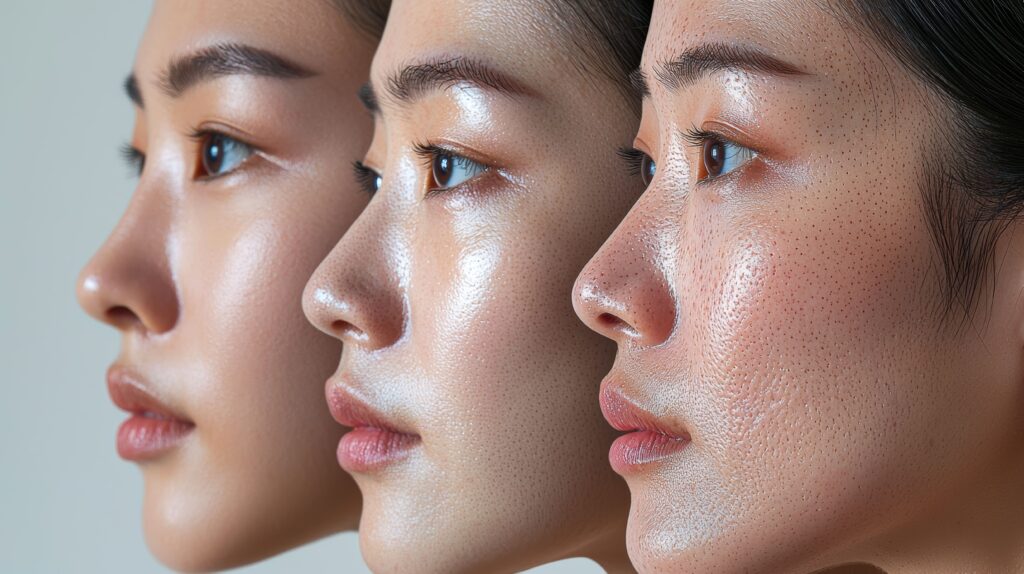
The science of collagen highlights a sobering reality. Starting in your mid-20s, the body’s natural collagen production declines by about 1% to 1.5% each year. For women, this decline accelerates significantly during and after menopause.
On top of the quantitative drop, the quality of the collagen produced also changes. The collagen network gradually becomes less organized, producing weaker, more fragmented fibers. In the skin, this leads to a loss of structural integrity, manifesting as:
- Fine lines and wrinkles: The dermis loses its “bounce back” ability.
- Sagging or dry skin: The skin’s ability to keep moisture decreases as the collagen matrix thins.
- Stiff joints: The protective cartilage in joints wears down, leading to reduced flexibility and comfort.
Environmental Factors That Accelerate Collagen Loss
While aging is internal, external factors play a massive role in the science of collagen degradation. These “collagen killers” can make you age significantly faster than your biological years:
1. UV Exposure and Photoaging
Sunlight is the primary cause of extrinsic aging. UV rays penetrate the dermis and break down collagen fibers quickly. This leads to the abnormal buildup of elastin. It also causes the production of enzymes (metalloproteinases) that further degrade the collagen matrix.
2. The Impact of Smoking
Toxins in tobacco smoke restrict blood flow to the skin, depriving it of oxygen and nutrients. Collagen research reveals that smoking blocks the synthesis of Type I and III collagen. This results in the classic “smoker’s face.” It is characterized by deep wrinkles and a sallow complexion.
3. Diet, Glycation, and Inflammation
A diet high in sugar and refined carbs is devastating to your protein structures. Excess sugar starts a process called glycation. In glycation, sugar molecules bind to collagen proteins. This binding forms Advanced Glycation End products (AGEs). These AGEs make your naturally supple collagen fibers stiff, dry, and brittle.
Can Collagen Supplements Help? The Clinical Evidence
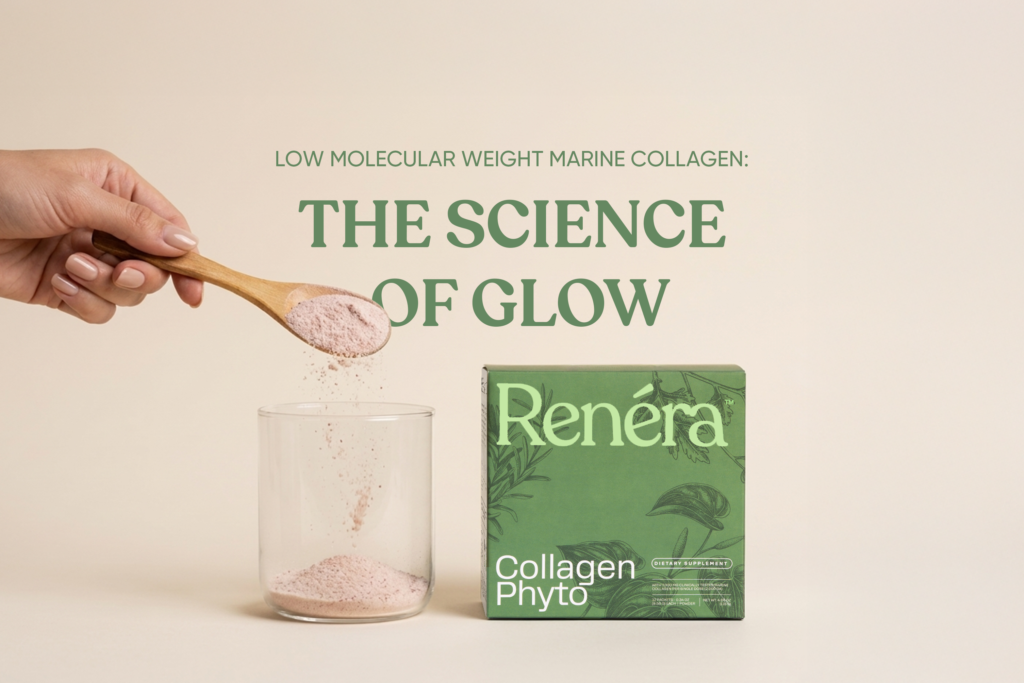
Modern science of collagen research has shifted toward the efficacy of hydrolyzed collagen peptides. Unlike raw collagen, peptides are broken down into smaller chains of amino acids. Raw collagen is too large to be absorbed effectively. The body can readily use these smaller chains.
Research suggests that collagen peptides:
- Improve skin hydration and elasticity: By stimulating the body’s own production of hyaluronic acid and collagen.
- Reduce fine lines and wrinkles: Clinical trials have shown significant reductions in wrinkle depth after 8–12 weeks of consistent use.
- Support joint comfort and mobility: Peptides accumulate in cartilage and stimulate cells (chondrocytes) to produce new extracellular matrix.
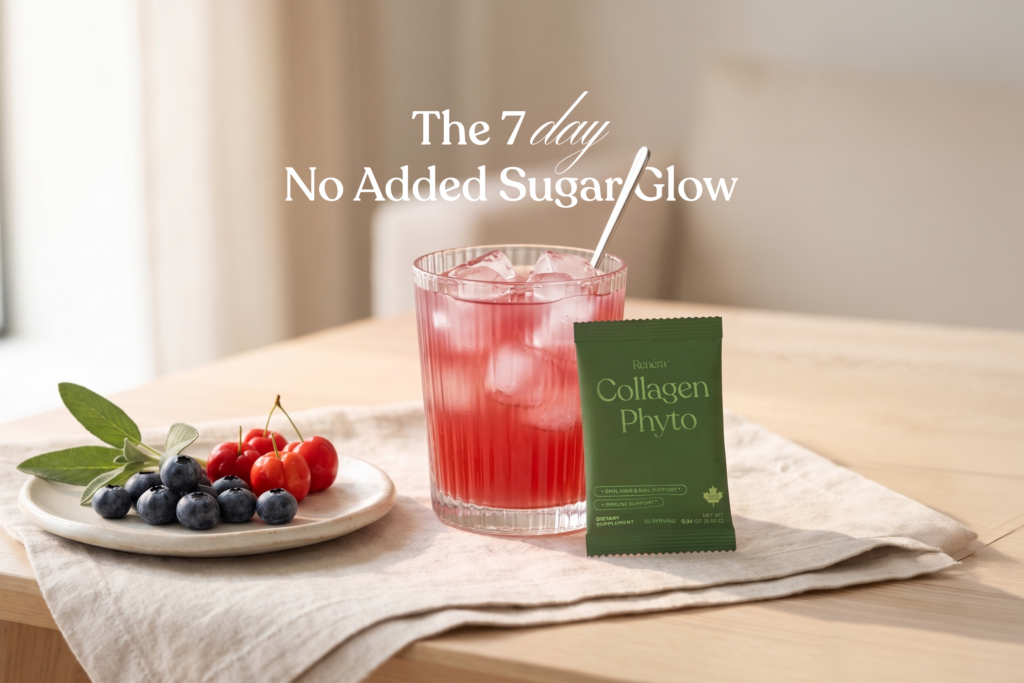
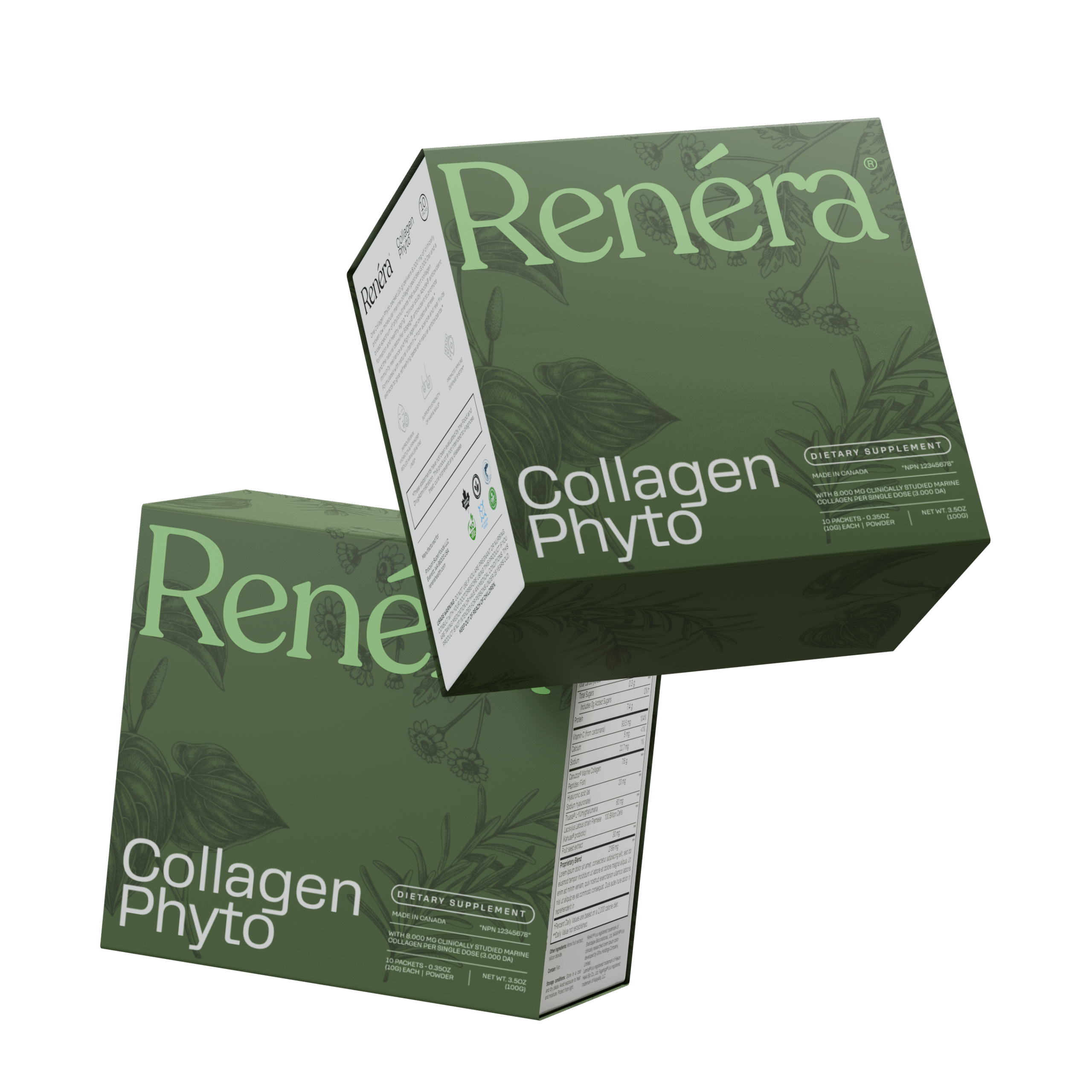
They give the building blocks your body needs and can stimulate collagen-producing cells (fibroblasts) in the skin. For those seeking a premium solution, Collagen Phyto offers a marine-based formula optimized for high bioavailability and absorption.
How to Support Healthy Collagen Production: A Multi-Faceted Approach
The good news is you can influence collagen science in different ways. A combination of lifestyle, nutrition, and strategic supplementation plays a role.
1. Focus on Collagen-Boosting Foods
Your body requires specific amino acids—glycine, proline, and hydroxyproline—to build the collagen triple helix.
- Marine Sources: Fish and shellfish contain collagen in their skin and scales, which is highly bioavailable.
- Plant-Based Support: Legumes and soy provide the protein building blocks necessary for synthesis.
2. The Essential Role of Vitamin C
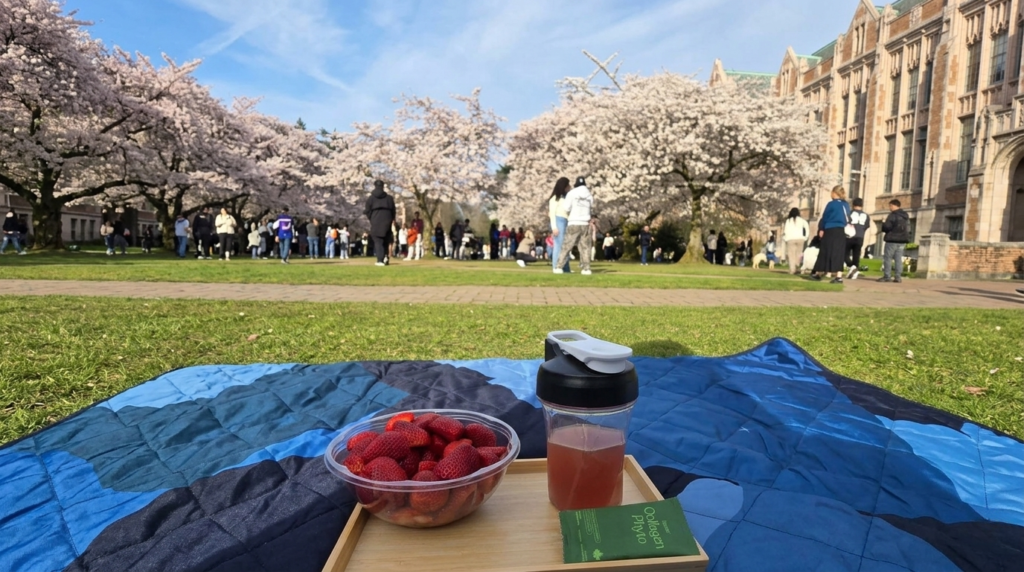
You can’t produce collagen without Vitamin C. It acts as a co-factor for the enzymes that cross-link collagen fibers. Incorporating acerola, berries, and leafy greens ensures your body has the “spark” needed to start the manufacturing process.
3. Maximize Antioxidant Protection
Polyphenols in green tea and blueberries protect existing fibers from oxidative stress. The emerging science of collagen reveals important insights. Robust antioxidant defenses, supported by clinically studied postbiotics, play a critical role in neutralizing free radicals. These free radicals would otherwise degrade skin proteins and accelerate aging.
4. Strategic Supplementation
Hydrolyzed peptides are the most efficient way to guarantee your body has an adequate supply of raw materials. Shop our collection on Amazon to find a formula with a “No Nasties” philosophy. It is free from added sugars and unnecessary fillers.
The Takeaway: Future-Proofing Your Body
While collagen naturally declines, the science of collagen proves that you have the power to slow this process. Protect your skin from the sun. Fuel your body with targeted nutrients. Supplement with high-quality peptides. By doing so, you can keep a resilient structure for years to come. Consistency is crucial. A daily commitment to your wellness routine yields long-term results in skin elasticity. It also improves joint health.
References & Clinical Citations
- [1] Marine Collagen Peptides and Skin HealthJournal: Marine Drugs.Link: https://pubmed.ncbi.nlm.nih.gov/37432180/
- [2] Effects of Collagen Supplementation on SkinJournal: Journal of Drugs in Dermatology.Link: https://pubmed.ncbi.nlm.nih.gov/32436266/
- [3] Collagen and Joint MobilityJournal: Nutrients.Link: https://pubmed.ncbi.nlm.nih.gov/35223163/