Lab-Tested Purity: Postbiotics without fillers

A clean label tells you what a brand chose to print. A lab-tested product tells you what an independent analysis actually found. For anyone practicing intentional, low-tox lifestyle, that distinction is the quiet center of trust. You can read an ingredient list in a few seconds, but knowing whether marine collagen has been tested and found to contain heavy metals below established regulatory limits, or whether the microbial preparation is derived from the stated strain, depends on something the front of the package can’t show you: verification. This article examines how purity is confirmed after the label is written—through third-party testing, a Certificate of Analysis, and contaminant screening—and why that process matters in particular for collagen peptides and postbiotics. The goal isn’t to make any single product sound flawless. It’s to help you ask better questions about what “clean” really means and what evidence supports it. Outcomes may vary depending on lifestyle, diet, sleep, stress, and individual health. Beyond the Label: What “Clean” Actually Requires The idea of clean-label nutrition has become familiar, and we’ve written before about how to read past front-of-pack promises in our guide to reading clean labels. But a label is a claim, not a measurement. Two products can carry identical “no fillers, no nasties” wording and still differ in what an independent lab would find inside. This is where verification enters. A claim describes intent; a test result describes reality. The space between those two is exactly where careful consumers benefit from looking more closely—not out of suspicion, but out of a reasonable wish to base wellness choices on evidence rather than on wording alone. For ingredients like marine collagen and microbial postbiotics, that gap matters more than usual, because the relevant qualities—purity, contaminant levels, strain identity—simply aren’t visible or tastable. They have to be measured. What “Lab-Tested” Really Means “Lab-tested” is a phrase used loosely across the wellness market, so it’s worth defining. Meaningful testing generally falls into a few categories, and a thoughtful brand can be asked about each. Identity and potency testing Identity testing confirms that an ingredient is what it claims to be—for example, verifying that collagen is marine-derived or that a postbiotic preparation originates from the characterized microbial strain stated by the manufacturer. Potency (or assay) testing measures relevant constituents, such as vitamin C content, peptide concentration where applicable, or other measurable quality attributes defined for the ingredient. Contaminant and purity testing This is the screening many people care about most: checking for heavy metals, microbial contamination, and other unwanted residues. For marine ingredients especially, this step carries real weight, which we’ll return to below. First-party versus third-party testing In-house testing is performed by the manufacturer; third-party tested supplements are evaluated by an independent laboratory with no stake in the outcome. Independent testing is widely regarded as the stronger form of assurance precisely because the tester has no commercial interest in a favorable result. The Certificate of Analysis: Proof on Paper The document that captures these results is the Certificate of Analysis, often shortened to CoA. A CoA is a record issued for a specific batch, summarizing what was tested and the results—including identity, potency, and contaminant screening. What makes a CoA useful is its specificity. It is tied to a production lot, not to the brand in general, which means it reflects an actual batch rather than a marketing aspiration. When a company can provide batch-level documentation, it signals a manufacturing process built around traceability. A reasonable question to ask any supplement brand is simply whether batch-level testing documentation is available. The answer—and the ease of getting it—often tells you a great deal about how the product is made. Why Heavy Metal Testing Matters for Marine Collagen Marine collagen is valued for its low–molecular-weight peptides and easy solubility, a topic we cover in our article on the science of collagen absorption. But anything from the sea deserves a closer look at purity. Metals such as lead, arsenic, cadmium, and mercury can occur naturally in marine environments and may also enter waterways through human activities. These elements can bioaccumulate through aquatic food chains. This happens whether the fish is wild-caught or farmed, and no matter how clean the water looks. The reassuring part is what independent testing actually shows. A 2025 peer-reviewed study in Open Medicine used ICP-MS—a highly sensitive analytical technique widely used for trace metal analysis.—to test marine collagen supplements from fish and jellyfish. None of the samples exceeded EU regulatory limits, and estimated daily intakes stayed safely below tolerable thresholds at recommended doses. Arsenic was the most common trace element, averaging 0.59 mg/kg, while mercury was detectable in only 12% of samples. Notably, no detectable levels of the measured toxic metals above the analytical detection limits—a reminder that source and processing genuinely shape the result. This is exactly why heavy metal testing of collagen is a real checkpoint, not a marketing line. The same study also found meaningful variation among brands, underscoring the value of batch-level documentation over blanket assurances. Screening finished material for those metals is a recognized part of quality assurance, and certification programs such as NSF/ANSI 173 include contaminant requirements as part of broader quality standards, although testing protocols vary by certification.. Renéra Collagen Phyto uses low–molecular–weight marine collagen peptides (~2,000 Da) produced through enzymatic hydrolysis, in a clean-label approach that excludes artificial fillers.* Purity screening is simply how a marine ingredient earns its place in an intentional, low-tox lifestyle. What the Research Adds Purity is one half of trust. The research behind the ingredient is the other—and marine collagen peptides are among the more studied collagen formats. The clearest picture comes from pooling many trials at once. A 2023 systematic review in Nutrients combined 26 randomized controlled trials and 1,721 participants, and found that hydrolyzed collagen significantly improved skin hydration and elasticity compared with placebo after consistent supplementation. Notably, 14 of those trials used collagen sourced from fish—so much of the evidence base sits with marine collagen specifically. Individual studies echo this:
How to Repair Skin After Partying: A Calm Reset

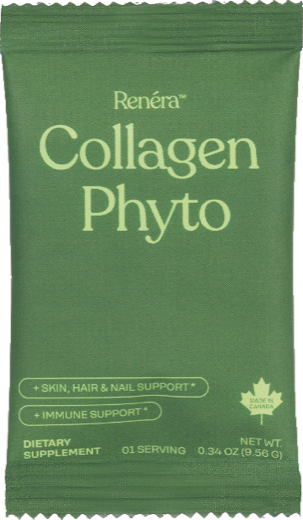
The morning after a celebration, skin tends to tell the story before you do. A late night, a few drinks, salty food, and a short night of sleep can leave a complexion looking dull, puffy, and tired. If you have ever wondered how to repair skin after partying, the honest answer is that no single product does it alone. What helps is a calm, consistent reset that works from within. This article takes an evidence-led look at why skin looks tired after partying, how the gut-skin connection shapes recovery, and how a thoughtful, non-toxic skin recovery routine may support a steady daily glow from within.* Outcomes may vary depending on lifestyle, diet, sleep, stress, and individual health. Why Your Skin Looks Tired After Partying Before looking at how to repair skin after partying, it helps to know what actually changed overnight. Several ordinary factors stack up during a celebration, and skin reflects the sum of them. Temporary dehydration Alcohol has a mild diuretic effect that can contribute to temporary fluid loss. When the body holds less water, skin can appear less plump and more textured. Salty or sugary party food may add to fluid shifts and next-morning puffiness. This is why skin after drinking alcohol often looks noticeably better within a day of steady rehydration, without any product at all. Short or disrupted sleep Adults are generally advised to get seven or more hours of sleep per night. During rest, the body carries out many of its normal maintenance processes, including those involved in skin barrier function and overall tissue homeostasis. A single short night can leave skin looking flat and shadowed. Oxidative stress The skin is simply asking for support while the body rebalances. That distinction shapes everything about how to repair skin after partying. The aim is to support recovery. It is not to correct a problem. The Gut-Skin Connection: Why Recovery Starts From Within One useful framework here is the gut-skin connection, which the scientific literature calls the gut-skin axis. Researchers describe it as a dynamic, two-way interaction in which the gut microbiome and the skin influence one another through immune signaling, metabolism, and the body’s inflammatory balance. Reviews in this field note that gut microbes and their metabolites can enter circulation and may influence systemic immunity, which is in turn associated with skin barrier function and overall skin homeostasis. Factors that support a healthy gut environment may therefore help maintain normal skin barrier function and support overall skin health over time. Research into these relationships continues to evolve. This matters after a night out. Rich food, alcohol, and disrupted sleep may temporarily influence digestion and may shift the composition or activity of the gut microbiome. This is why any sensible approach to how to repair skin after partying starts below the surface. Supporting the gut-skin connection focuses less on chasing a single result and more on helping the body’s interconnected systems return to baseline. Postbiotics for Skin: A Modern Piece of the Puzzle Within microbiome science, postbiotics for skin have become a growing area of research interest. In its 2021 consensus statement in Nature Reviews Gastroenterology & Hepatology, the International Scientific Association for Probiotics and Prebiotics (ISAPP) defined a postbiotic as a “preparation of inanimate microorganisms and/or their components that confers a health benefit on the host.” Unlike probiotics, postbiotics are not live, which makes them well suited to stable, modern wellness formats. Renéra Collagen Phyto includes LC-Plasma (Lactococcus lactis subsp. lactis), a heat-inactivated postbiotic studied for its interaction with plasmacytoid dendritic cells (pDCs), specialized immune cells involved in the body’s natural defense signaling. Rather than “boosting” immunity, LC-Plasma is studied in the context of immune balance and signaling, a distinction explored further in our article on [LC-Plasma and pDC immune research].* Immune pathways are complex and multifactorial, and research on postbiotics for skin remains an active field, and one of the newer threads in the conversation about how to repair skin after partying. How to Repair Skin After Partying: A Calm, Non-Toxic Recovery Routine There is no single trick for how to repair skin after partying. The goal of non-toxic skin recovery is not to overwhelm the body but to remove unnecessary inputs and add gentle, supportive ones. A few evidence-aligned habits carry most of the weight. Rehydrate steadily Water, herbal tea, and water-rich foods help replenish what a late night depletes. Steady hydration across the day is more useful than one large glass on waking, and it supports the plump, rested look that temporary dehydration takes away. Protect one full night of sleep Because the body carries out much of its normal repair and maintenance during rest, one restorative night is often the single most useful step in the days after a celebration. Eat to support antioxidant balance Colorful fruits, vegetables, and whole foods supply naturally occurring polyphenols and vitamin C that help support the body’s defense against oxidative stress.* The NIH Office of Dietary Supplements sets the recommended dietary allowance for vitamin C at 75 mg per day for adult women and 90 mg for adult men, and vitamin C is recognized for its contribution to normal collagen formation. This is where a thoughtfully formulated supplement can complement your plate rather than replace it. Ease off added sugar High intake of added sugars has been studied in relation to glycation, a natural process involving glycation-related changes to proteins such as collagen over time. We explore this in our 7-Day No Added Sugar Glow guide. Choosing lower-sugar options is a simple, supportive step the morning after. Keep topicals simple This is not the moment for strong actives or a new multi-step routine. A gentle cleanser, a barrier-supporting moisturizer, and daily SPF give skin room to settle while the rest of the body rebalances. When it comes to how to repair skin after partying, non-toxic skin recovery is mostly about subtraction. Where Renéra Collagen Phyto Fits Into Your Reset Most advice on how to repair skin after partying works best when daily habits do
LC-Plasma Postbiotic & pDC: 5 Science-Backed Insights

LC-Plasma Postbiotic & pDC: 5 Science-Backed Insights. Modern wellness is evolving beyond simply adding more ingredients to a routine. Today’s consumers are increasingly drawn to thoughtfully designed formulations. They prefer those that are evidence-informed. Consumers also seek products aligned with a more intentional approach to daily well-being. One emerging area of nutritional science involves postbiotics. They interact with immune-related pathways, including plasmacytoid dendritic cells (pDCs). pDCs are specialized immune cells involved in innate immune signaling. Postbiotics differ from traditional probiotics. While probiotics are live microorganisms, postbiotics are preparations of inactivated microorganisms and/or their components. The International Scientific Association for Probiotics and Prebiotics (ISAPP) describes a postbiotic as “a preparation of inanimate microorganisms.” These microorganisms and/or their components confer a health benefit on the host. One postbiotic ingredient studied in this area is Lactococcus lactis subsp. lactis, commonly known as LC-Plasma. Researchers have studied this heat-inactivated lactic acid bacterial strain for its interaction with plasmacytoid dendritic cells (pDCs). These cells are important in immune signaling and the body’s natural defense responses. Emerging research on LC-Plasma has explored its interaction with immune signaling pathways involved in innate immunity and overall wellness. Outcomes in nutritional science are influenced by various factors. These factors include lifestyle, diet, sleep, stress, and individual health status. This research is relevant to Renéra™ Collagen Phyto because the formulation is designed as more than a traditional collagen supplement. It combines marine collagen peptides, acerola-derived vitamin C, antioxidant-rich phytonutrients, and LC-Plasma postbiotics within a modern wellness-focused formula. These thoughtfully selected ingredients work together. They are designed to complement balanced daily habits. These habits support skin wellness, antioxidant support, and overall well-being from within. What Are Postbiotics? Postbiotics are preparations of inactivated microorganisms. Their components are studied for their potential role in supporting health and wellness. Unlike probiotics, which contain live microorganisms, postbiotics do not rely on live microbial activity after consumption. Because they are not living organisms, postbiotics are generally more stable in formulations and may be less sensitive to factors such as heat, moisture, storage conditions, and digestion. This makes them well-suited for modern supplement formats including powders, sachets, capsules, and functional wellness blends. Importantly, “non-living” does not mean biologically irrelevant. Emerging research suggests that certain inactivated microbial components may still interact with biological signaling pathways in the body, depending on the strain, formulation, and study area. As interest in the gut–immune–skin connection continues to grow, postbiotics have become an increasingly researched category within modern nutritional science and wellness formulations. What Is pDC? pDC stands for plasmacytoid dendritic cells. These are a specialized subset of immune cells that play a key role in the innate immune system, which is involved in the body’s early immune signaling responses. Research identifies pDCs as important cells in antiviral immune responses for their ability to produce large amounts of type I interferons, particularly interferon-alpha (IFN-α). These signaling proteins coordinate communication among immune cells during early immune activation. In simple terms, pDCs can be understood as part of the body’s early detection and signaling network. They help recognize specific biological signals and contribute to the regulation of downstream immune responses. Rather than “boosting” or overstimulating immune activity, pDC function is better understood in terms of immune balance and regulation. In nutritional and immunological research, pDC activity is studied as part of the broader network that helps the body respond appropriately to internal and external stressors, including environmental changes, physical exertion, travel, and seasonal variation. 1. Postbiotics Can Function Without Being Alive A defining characteristic of postbiotics is that they do not require viability to interact with biological systems. Unlike probiotics, they are composed of inactivated microbial cells and structural components. LC-Plasma postbiotic is commonly studied in a heat-inactivated form. In preclinical research, it has been observed to interact with immune-related cells, including plasmacytoid dendritic cells (pDCs), and to be associated with interferon-related signaling responses under experimental conditions. This distinguishes LC-Plasma from traditional probiotics, where activity depends on microbial survival. Instead, its activity is linked to structural components rather than live metabolism. From a formulation perspective, this supports stability and consistency in daily-use supplements such as Collagen Phyto. 2. LC-Plasma postbiotic May Be Recognized Through Microbial-Derived DNA Another area of research examines how postbiotics may interact with immune cells via structural components, including microbial-derived DNA. Components within inactivated bacterial cells, including DNA fragments, are studied under laboratory conditions. These studies suggest they may influence how immune cells respond. Immune cells, such as plasmacytoid dendritic cells (pDCs), are specifically observed. In these experimental settings, researchers have noted that pDCs produce interferon-alpha (IFN-α). This molecule is a key immune signaling component produced via a well-known recognition pathway called TLR9–MyD88. This pathway is part of the body’s natural system for identifying microbial genetic material. In simple terms, this means immune cells like pDCs have built-in ways to detect specific patterns in microbes. These patterns include DNA-related signals. LC-Plasma has been studied in this context as a heat-inactivated strain. It may interact with these natural recognition systems. This interaction occurs in controlled research environments. LC-Plasma postbiotic is not merely a general “immune support” ingredient. It is being explored in relation to specific, well-defined immune signaling pathways. This provides a clear rationale. It is considered a more targeted area of research within the broader field of postbiotics and immune science. 3. pDC Activation Is Associated With Interferon-Related Signaling Plasmacytoid dendritic cells (pDCs) are closely associated with interferon signaling, particularly the production of type I interferons. Interferons are signaling proteins that play an important role in communication within the innate immune system. Lactococcus lactis JCM5805, a heat-inactivated strain, was studied in a related context. Research published in Clinical Immunology reported that this strain interacted with human pDCs. It induced interferon production in in vitro studies. Additional research on LC-Plasma has further explored this pathway. It suggests that interferon-alpha (IFN-α) responses in pDCs may be associated with microbial-derived DNA. This association could also involve the activation of the TLR9–MyD88 signaling pathway under experimental conditions. These findings describe a specific area of
Postbiotics vs Probiotics: What’s the Difference?

For years, probiotics have been one of the most familiar terms in gut health. Now, the question of postbiotics vs probiotics has become just as relevant for modern supplement shoppers. At first, the two words sound similar. Both are connected to microbiome science. Both are discussed in relation to gut wellness and immune-related research. But they are not the same. Understanding postbiotics vs probiotics is increasingly relevant for anyone navigating the modern supplement market. The main difference is simple: Probiotics are live microorganisms. Postbiotics are non-living microbial preparations or components. That difference matters. It affects how an ingredient is made, stored, transported, formulated, labeled, and used in daily wellness products. This article explains the difference between probiotics and postbiotics, why “live” versus “non-living” is important, and how postbiotics fit into modern clean label supplement formats. What Are Probiotics? Probiotics are live microorganisms that, when taken in adequate amounts, are intended to provide a health-related benefit to the host. The NIH Office of Dietary Supplements relies on a popular definition from the International Scientific Association for Probiotics and Prebiotics. This definition states that probiotics are “live microorganisms.” When they are administered in adequate amounts, they confer a health benefit on the host. Common probiotic formats include: Because probiotics are live, their identity, amount, strain, and viability matter. A probiotic product is not just about having bacteria listed on a label. For probiotics, the microorganisms must remain alive in sufficient numbers throughout manufacturing, storage, and use. This is why probiotic labels often refer to CFUs, or colony-forming units. The FDA has discussed CFUs. They consider it a useful way to describe the amount of living microorganisms. This is especially relevant in dietary supplements containing live microbial ingredients. In other words, probiotics are closely tied to viability. What Are Postbiotics? Postbiotics differ from live microorganisms. The ISAPP consensus statement was published in Nature Reviews Gastroenterology & Hepatology. A postbiotic is defined as a “preparation of inanimate microorganisms and/or their components.” These preparations confer a health benefit on the host. The same consensus paper clarifies that postbiotics are deliberately inactivated microbial cells. They may or may not contain metabolites or cell components. These elements contribute to the demonstrated health-related benefit. In simpler terms, postbiotics may include: The key point is that postbiotics do not need to be alive in the final product. That makes postbiotics especially relevant for supplement formats where stability, convenience, and clean label formulation are important. The Core Difference: Postbiotics vs Probiotics The biggest difference between probiotics and postbiotics is not their place in the wellness category. It is their biological status. Category Probiotics Postbiotics Microbial status Live microorganisms Inanimate microorganisms and/or components Main formulation focus Viability Characterized preparation Labeling focus Strain, CFU, shelf life, storage Strain/source, preparation, research context Storage sensitivity May require careful handling Often more flexible in dry or shelf-stable formats Common formats Yogurt, fermented foods, capsules, refrigerated products Powders, sachets, capsules, beverage mixes Consumer question “Are the microorganisms still alive?” “What is the postbiotic source and research context?” The table above captures the postbiotics vs probiotics divide at a glance. One category depends on live-cell viability. The other does not. This does not mean one category is automatically better than the other. Probiotics and postbiotics serve different formulation purposes. A probiotic product may be appropriate when the goal is to deliver live microorganisms. A postbiotic product may be appropriate. It is suitable when the goal is to include a microbiome-informed ingredient. This type of ingredient does not rely on live-cell viability. Why “Alive” Matters: The Probiotics Side of the Postbiotics vs Probiotics Divide Because probiotics are living microorganisms, the product experience is shaped by several factors: Scientific and regulatory discussions around probiotics often focus on viability because live microorganisms can be affected by time and environment. FDA guidance notes that many supplements described as probiotics contain live microbial ingredients. CFUs can help indicate the number of living microorganisms in a product. This does not make probiotics “bad” or outdated. It simply means probiotic products require careful formulation and handling. For consumers, this is why it can be helpful to check: A probiotic supplement is not defined only by the word “probiotic.” The details matter. Why “Non-Living” Matters: The Postbiotics Side Postbiotics are not dependent on live-cell survival in the same way. Because they are inanimate microbial preparations or components, they may be easier to include in certain modern wellness formats, especially dry powders, sachets, capsules, and beverage mixes. This makes postbiotics relevant for clean label product development. Clean label consumers often look for products that feel: Postbiotics can fit that direction because they may offer practical formulation advantages. They do not need the same viability-focused storage approach as live probiotics. However, “non-living” does not mean vague. A strong postbiotic product should still identify the ingredient clearly, use responsible language, and connect claims to appropriate scientific context. Do Postbiotics Replace Probiotics? One of the most common questions in the postbiotics vs probiotics conversation is whether one replaces the other. The answer is no — they are different categories. They are different categories. Probiotics are defined by live microorganisms. Postbiotics are defined by inanimate microorganisms and/or their components. The choice between a probiotic and a postbiotic depends on several factors. These include the product goal, ingredient research, dose, format, and intended daily routine. A helpful way to understand the difference: Probiotics: live microorganisms used in foods or supplements. Postbiotics: non-living microbial preparations or components studied in specific wellness contexts. Prebiotics: substrates, often fibers, used by beneficial microorganisms. The best choice depends on the formulation, not the trend. For example, a refrigerated fermented food may be a natural place for probiotics. A shelf-stable collagen powder or daily wellness sachet may be a practical place for a postbiotic ingredient. Why Postbiotics Are Showing Up in Clean Label Wellness To understand why the postbiotics vs probiotics distinction matters in practice, it helps to look at each category separately. In this context, postbiotics are becoming interesting because they can align with several
Low Molecular Weight Marine Collagen: The Science of Glow

If you’ve started reading collagen labels closely, you’ve probably run into a number that doesn’t get explained: molecular weight. It’s one of the few specs that actually tells you something about how a collagen is made — and it’s central to why low molecular weight marine collagen has become the form serious label-readers look for. Here’s the honest version, without the hype. Collagen results vary from person to person. Digestion, peptide size, and individual physiology all play a role in how collagen-derived peptides are broken down and used by the body.* This article walks through the four pillars behind what we call the Science of Glow — and why peptide size is where the story starts. What is low molecular weight marine collagen? Molecular weight is measured in Daltons (Da). Native collagen is a large structural protein — roughly 300,000 Da — far too big to pass through the intestinal wall intact. Before any of it reaches your system, digestion has to break it down into smaller fragments. That’s the entire reason hydrolyzed collagen exists. Through enzymatic hydrolysis, manufacturers pre-break collagen into peptides, typically in the 3,000–5,000 Da range. By comparison, low molecular weight marine collagen sits lower still — and lower-molecular-weight peptides have better water solubility than larger intact protein, which is a measurable quality of the formulation itself.* Renéra™ Collagen Phyto uses low molecular weight marine collagen peptides (~2,000 Da), produced through a clean enzymatic process in Europe and designed for solubility.* It’s Type I marine collagen — the type that makes up the majority of skin’s collagen. A note on solubility vs. absorption: Solubility (how well a powder disperses in water) and absorption (what the body actually takes up) are two different things. We talk about solubility because it’s a real, observable property of the formula. We don’t claim that dissolving in a glass proves anything about what happens inside the body. Peptide size and digestion Once low molecular weight marine collagen is hydrolyzed and consumed, small peptides and amino acids are taken up through intestinal transport systems, including a well-studied transporter called PEPT1 that handles di- and tripeptides.* From there, these components enter circulation as raw material the body can draw on for its own protein synthesis — including the processes involved in maintaining skin structure.* This is the part marine collagen is best known for: a low molecular weight profile and an amino acid composition rich in glycine and proline, both relevant to skin and connective tissue. Collagen as nutritional support Bioavailability is only one part of the picture. Renéra is formulated with a full 7,000 mg serving of low molecular weight marine collagen peptides per dose. Following digestion, the resulting amino acids and small peptides may contribute to the body’s natural processes involved in collagen, elastin, and extracellular matrix maintenance.* Emerging research suggests certain collagen-derived peptides may also support normal fibroblast function under physiological conditions — part of how the body maintains its own collagen and elastin.* These effects are indirect and not fully understood, and outcomes depend on age, diet, lifestyle, and overall metabolic health. We’re describing nutritional support for normal processes, not a drug effect. The postbiotic layer (LC-Plasma) Here’s where Phyto separates from most collagen on the shelf. Skin health isn’t only structural — overall physiological balance, including immune function, plays a role too. Renéra includes LC-Plasma (Lactococcus lactis strain Plasma), a heat-treated postbiotic. Unlike probiotics, postbiotics are non-living bacterial components, which makes them more stable and easy to take daily. LC-Plasma is clinically studied for its potential to support innate immune activity. Research suggests it may interact with plasmacytoid dendritic cells (pDCs). These cells are involved in early immune signaling.* Why include it in a beauty formula? Chronic low-grade inflammation is one of several factors scientists associate with changes in skin over time (sometimes called “inflammaging”). Supporting normal immune function and inflammatory balance is one piece of a whole-body approach to skin.* LC-Plasma helps support immune resilience, particularly during periods of physical or seasonal stress.* The phytonutrient antioxidant complex The final pillar focuses on helping protect skin’s structural proteins. It shields them from oxidative stress, a key environmental factor in skin aging. UV exposure and pollution increase reactive oxygen species (ROS). Elevated activity of enzymes called MMPs, including MMP-1, relates to the natural breakdown and remodeling of collagen. MMPs are part of normal skin turnover; the goal is supporting balance, not “neutralizing” anything. Renéra includes a water-extracted blend of six fruit extracts: Together, these support the body’s natural response to oxidative stress — one of several factors linked to skin aging.* Why solubility shows up the way it does When a single-serve sachet of Renéra Collagen Phyto is stirred into water, it disperses smoothly with minimal clumping. It forms a uniform solution. This is characteristic of low molecular weight marine collagen peptides. These peptides are processed to dissolve more easily than native protein.* The natural mauve-pink color comes from anthocyanin-rich berry extracts, which are water-soluble plant pigments. Solubility is a useful signal of formulation quality and a better drinking experience. It is not, on its own, a measure of what the body absorbs — that depends on digestion and metabolism. The bottom line Healthy-looking, resilient skin is shaped by many things: nutrition, structural proteins, environmental exposure, and the body’s own physiological processes. Renéra™ Collagen Phyto is built around three complementary pathways: That’s the Science of Glow: structural support, antioxidant balance, and whole-body wellness in one daily ritual. Research is ongoing, and individual responses vary with age, diet, environment, and overall health. * These statements have not been evaluated by the Food and Drug Administration. This product is not intended to diagnose, treat, cure, or prevent any disease. References
No Added Sugar Glow: The 7-Day Secret to Bouncy Skin

You notice a sudden loss of elasticity. Dullness is also obvious. A lack of that signature bouncy skin can impact your naturally radiant, no-added-sugar glow. In these cases, your daily skincare routine is not the problem. It is something else. The true culprit is hiding in your daily diet, silently challenging your cellular foundation. As part of our 7-Day Sugar-Free Challenge, we are diving deep into the biological impact of sugar on skin longevity. Achieving a true no-added-sugar glow is not just a passing social media trend. It is supported by the intricate biological science of how our dermal matrix responds to what we consume. The aesthetic concept of the “healthy girl era” goes far beyond green juices and aesthetic workouts. It requires a profound understanding of cellular defense and structural integrity to keep a youthful complexion. What is Glycation? The Biology of “Sugar Sag” To understand why sugar is the ultimate glow-killer, we must first look at a biological process called glycation. This reaction occurs when excess sugar molecules in your system bind to critical proteins. These proteins are required for optimal skin elasticity. Sugars from sweet treats, processed foods, or hidden sugars in cafe drinks rapidly enter your bloodstream. If the circulating sugar levels are too high, they can’t be metabolized quickly. These rogue sugar molecules then start looking for proteins to bind to. This process hinders your natural radiance. In your skin, the most abundant and vital proteins are collagen and elastin. These are the exact building blocks that keep your skin plump, firm, and supple. They act like flexible scaffolding that supports the epidermis, helping it snap back into place when stretched. When sugar binds to these essential proteins, it alters their structure over time. A complex series of chemical conversions occur. As a result, harmful, altered molecules form. These are known as Advanced Glycation End-products, appropriately abbreviated as AGEs. This process is the primary obstacle to maintaining a healthy, vibrant complexion. How AGEs Systematically Impact Your Bouncy Skin The accumulation of AGEs in the dermal layer is associated with accelerated skin aging. First, they target the physical structure of your collagen fibers, which are essential for a plump appearance. Normally, healthy collagen fibers are highly flexible, resilient, and capable of holding significant amounts of water. AGEs can cause these flexible fibers to cross-link unnaturally, contributing to a stiffer structure. This structural degradation is associated with visible sagging and a reduction of your skin’s natural snap. Second, the presence of AGEs triggers a biological signaling system within your body. These altered proteins bind to the cellular receptor RAGE. When AGEs start these receptors, they are associated with a localized inflammatory response that dulls your sugar-free glow. This activation can produce reactive oxygen species (ROS), which may lead to chronic oxidative stress. This oxidative stress interacts with healthy surrounding cells, which may challenge the skin’s barrier role. It can hinder your cells from maintaining their natural hydration, leaving your face looking persistently dull and dehydrated. Furthermore, once collagen is glycated and stiffened by AGEs, the body struggles to maintain it. The natural enzymatic remodeling process may be challenged. This effectively locks the structural damage into your skin. As a result, it hinders a natural sugar-free glow. The Hidden Culprits: Identifying Sneaky Sugars The most dangerous sugars are often the ones you do not realize you are consuming. To successfully support your bouncy skin and join in our challenge, you must become vigilant about reading labels. Specialty coffee drinks, flavored lattes, and matcha blends purchased at cafes are often loaded with artificial syrups. An iced vanilla latte can contain more than your daily recommended limit of added sugars. This can trigger a spike in glycation and impact your chance for a sugar-free glow. Many “healthy” snacks, like granola bars, protein shakes, and fruit yogurts, use high-fructose corn syrup. They also contain hidden cane sugar to improve taste. These are classified as “nasties” in our Low Tox Living philosophy. They offer zero nutritional value. They also actively challenge your bouncy skin. Taking control of your wellness means adopting a “no nasties” policy. It means scrutinizing ingredient lists. You need to understand that your cellular hydration is directly tied to the purity of your daily intake. If it holds hidden junk, it will compromise your sugar-free glow. Reclaiming Your Glow: The Low Tox Approach You can’t stop the natural chronological aging process. However, you can absolutely support your body against glycative stress. You can also maintain your bouncy skin. It requires a strategic, two-step biological defense. By joining our 7-Day Sugar-Free Challenge, you are actively helping to manage the overproduction of new AGEs. Cutting out artificial syrups and hidden sugars may help reduce the inflammatory cascade and oxidative stress occurring within your cells. This simple lifestyle swap gives your body the necessary break it needs. It helps clear out excess glucose before it can bind to essential proteins. This way, you can achieve a sugar-free glow. This proactive approach perfectly aligns with the core principles of Low Tox Living. You reduce your exposure to harmful additives. This creates an internal environment where your natural glow can manifest through internal support. It happens rather than through constant defense. Yet, simply stopping the sugar intake is not enough to address the changes already done. To truly support that coveted bounce, you must take decisive action. Actively support your body against existing threats. Give your body the exact nutrients required for structural support. Without these tools, your bouncy skin may struggle to fully recover. The Ultimate Antioxidant Shield for a Sugar-Free Glow To effectively protect the body against oxidative stress from prior glycation, it requires cellular-level support to maintain elasticity. This is where the biological, clean formulation of Renéra Collagen Phyto serves as your smartest daily swap for targeted defense. We use a scientifically formulated antioxidant powerhouse derived from polyphenol-rich fruit extracts. Polyphenols are naturally occurring micronutrients packed with remarkable biological capabilities. They are clinically recognized for their ability to scavenge free radicals. These
The Art of Reading Clean Labels in Wellness

In an era of “greenwashing,” marketing language can outpace scientific evidence. As a result, the concept of clean labels has become increasingly important to today’s informed consumer. At the same time, the rise of Low Tox Living reflects a broader cultural shift. There is a growing awareness of everyday exposures. People have a wish to make more intentional, transparent choices. However, meaningful evaluation of a supplement’s quality goes beyond front-of-pack claims. It requires a closer look at the Supplement Facts, ingredient sourcing, and the scientific rationale behind each part. At Renéra, a “No Nasties” approach aligns with the principles of Low Tox Living. It is not a trend, but a commitment to ingredient clarity, safety, and evidence-informed formulation. This means prioritizing what is essential, while thoughtfully excluding what is unnecessary. Understanding both what is included—and what is intentionally left out—empowers a more informed, confident approach to daily supplementation. 1. Sugar, Glycation, and the Low Tox Living Philosophy Many flavored collagen products rely on added sugars to improve taste. From a biological perspective, excess intake of simple sugars can lead to the formation of Advanced Glycation End Products (AGEs). These compounds form when sugars bind to proteins like collagen. Over time, AGEs are linked to reduced skin elasticity and visible signs of aging. While no single product determines overall glycation, choosing supplements without added sugars supports a more balanced nutritional approach. Naturally derived sweeteners like monk fruit offer a choice without contributing to these metabolic pathways. 2. A Balanced Vitamin C Approach for Daily Use Vitamin C is an essential nutrient that supports normal collagen formation and antioxidant role. For most individuals, it is well tolerated when consumed within established intake ranges. Rather than relying on high-dose isolated forms, our Collagen Phyto delivers vitamin C exclusively from Acerola Cherry. It is a naturally rich source of vitamin C. This source is accompanied by bioflavonoids and phytonutrients that exist in their native botanical matrix. This whole-food–derived approach reflects a formulation philosophy focused on nutrient synergy and compatibility. It emphasizes balance, prioritizing a form that closely aligns with how vitamin C is found in nature. This composition is designed for consistency. It supports thoughtful, long-term integration into a daily wellness routine. It offers a sense of confidence for those practicing a more intentional, Low Tox Living approach. 3. The Emerging Role of Postbiotics in Low Tox Living Lactococcus lactis (LC-Plasma) is included due to a growing interest in postbiotics. These are non-living microbial components. They have been studied for their interaction with the immune system. This innovative approach perfectly matches the clean, deliberate standards of Low Tox Living. Research suggests LC-Plasma may help support immune cell activity. It enhances these cells through pathways involving plasmacytoid dendritic cells. These cells play a role in the body’s natural defense mechanisms. Research is still evolving. However, maintaining healthy immune function is increasingly recognized as an important foundation for vitality. It is also crucial for overall physiological resilience. For individuals with active lifestyles, this may support consistency in daily performance and recovery, particularly during periods of environmental stress. 4. Purity, Manufacturing, and Low Tox Living Standards Quality begins with manufacturing discipline. Producing in Canada under stringent regulatory frameworks helps ensure adherence to Good Manufacturing Practices (GMP), supporting consistency, safety, and traceability. Free-from claims—such as non-GMO, gluten-free, soy-free, and dairy-free—are designed to meet diverse dietary needs and preferences. Equally important is the intentional exclusion of unnecessary additives, aligning with a philosophy of formulation simplicity and clarity. By adhering to rigorous third-party standards, we ensure that every batch of our formula aligns perfectly with your wellness goals. If you are ready to experience the difference of a truly clean, science-backed supplement, explore our offering. Discover our clean wellness collection on Amazon today. References & Clinical Citations
The 8 Protectors Inside Collagen Phyto

Estimated Reading Time: 4 Minutes Let’s be honest—reading supplement labels can feel overwhelming. But when it comes to skin longevity, understanding what you consume and why it matters. Think of your skin as a well-built structure. Collagen provides much of its foundational support. Daily environmental factors, such as UV exposure and pollution, can generate free radicals. Lifestyle stress also contributes to this process. These elements lead to oxidative stress and the gradual breakdown of collagen. That’s why maintaining healthy skin isn’t only about supporting collagen formation—it’s also about helping protect it. Renéra was formulated with a curated blend of 8 plant-based extracts, carefully selected for their naturally occurring bioactive compounds. These ingredients are obtained using clean water-based extraction methods, without harsh chemical solvents. Together, they help support the body’s natural defense against oxidative stress and contribute to overall skin health and resilience.* No artificial fillers—just thoughtfully selected botanicals aligned with modern nutritional science. The Power of Synergy: Why 8 Protectors? Most supplements focus on a single active ingredient. Renéra takes a different approach. It centers on the concept of nutritional synergy. Multiple plant compounds work together to support complementary biological pathways. Each of the 8 botanicals in the Phyto-Antioxidant Matrix offers unique benefits. They were selected for their naturally occurring standardized bioactive compounds. These compounds help support different aspects of skin health and overall wellness, including antioxidant defense, microcirculation, and collagen integrity.* These plant-based extracts do not act in isolation. Instead, they work synergistically to support the body’s natural defenses against oxidative stress. This stress is caused by environmental factors such as UV exposure and pollution.* This multi-ingredient approach is designed to better align with the complex, multi-pathway nature of skin biology than single-nutrient formulations. The Botanical Breakdown Here is the detailed breakdown of what is actually in your daily glass of Collagen Phyto: Collagen Phyto goes beyond hydration. It combines a carefully curated blend of plant-based antioxidants. These are supported by nutritional science to nurture skin resilience and long-term vitality from within.* REFERENCES & CLINICAL CITATIONS [4] Phyto-Antioxidants & MMP Inhibition [5] Pomegranate & UV-Induced Oxidative Stress [6] Natural Vitamin C & Collagen Synthesis
Boost Immunity: 4 Tips for Allergy Season Wellness

Boost Immunity: 4 Tips for Allergy Season Wellness As the air warms and nature begins to bloom, our environment shifts. While seasonal transitions are a natural part of life, they often place new demands on the body. You will notice increased fatigue or environmental sensitivity as your system works harder to stay balanced. Do not just endure this. Boost your immunity and support your body’s natural resilience with these 4 essential tips. Understanding the Challenge to Boost Immunity The immune system is constantly working to help you navigate the world. During seasonal transitions, increased pollen levels and environmental stressors place greater demands on your defense mechanisms. When you add modern lifestyle factors—like air pollution, fluctuating temperatures, and chronic daily stress—your system can become overwhelmed. A critical factor here is oxidative stress, which occurs when free radicals accumulate faster than your body can neutralize them. These molecules essentially “tax” your immune system, making you feel more run-down. To enhance your immune system and keep balance, adopt a proactive approach. This approach should be holistic and tackle these environmental challenges at the cellular level. 4 Tips to Boost Immunity This Allergy Season 1. Improve Your Immune Response with Postbiotics Lactococcus lactis strain Plasma is a clinically studied postbiotic that directly supports immune resilience. Standard supplements only give raw materials. This postbiotic interacts with key immune cells. It helps your body keep a balanced, responsive immune system, even under high environmental stress. It acts like a “coach” for your immune cells, ensuring they are ready to respond appropriately to external triggers. 2. Activate Synthesis with Vitamin C & Phytonutrients Vitamin C is essential for both immune health and collagen formation. Natural sources like acerola fruit provide bioavailable Vitamin C, containing complex plant compounds that the body readily recognizes and absorbs. When you pair this with powerful phytonutrients—including polyphenols and anthocyanins found in pomegranates, berries, and amla—you create a robust defense that helps neutralize free radicals and provides a protective barrier for your cells. Ultimately, this targeted nutritional combination serves as a cornerstone of any effective strategy to boost immunity and maintain peak health against the challenges of allergy season. 3. Reinforce Structural Resilience with Marine Collagen Structural integrity is a hidden, often overlooked pillar of defense. Your skin and mucous membranes are your body’s first line of defense against the outside world. Marine collagen peptides offer the essential amino acids needed to support the structural health of skin, joints, and connective tissues. A strong physical architecture in your body prepares you to handle external stressors. You can better manage the wear and tear they cause. 4. Cultivate Daily Wellness Rituals True resilience doesn’t come from a “quick fix” or a single dose of nutrients. It grows from consistent habits that support the body’s internal rhythm. To effectively boost immunity, try incorporating these simple routines. First, focus on 7-8 hours of quality sleep. Stay hydrated continuously. Engage in moderate physical activity to support circulation. Lastly, keep a diet rich in whole, unprocessed foods. Tip Key Advantage for Allergy Season Postbiotics Supports Immune Cell Response Acerola Vitamin C Potent Immune & Collagen Activator Phytonutrients Neutralizes Oxidative Stress Marine Collagen Reinforces Structural Resilience The Power of Consistency: Building Resilience to Boost Immunity In our modern, fast-paced world, we are often conditioned to look for immediate results. But when it comes to supporting your immunity, consistency is the ultimate strategy. Give your body with the nutrients it needs to manage stress and inflammation daily. This creates a vital “buffer” that helps you handle seasonal changes more easily. Remember, wellness is not a destination you reach once; it is a continuous, daily process of maintenance and support. Build these habits into your lifestyle. This practice ensures that your body operates from a position of strength. It prevents operating from a constant recovery position. If you are looking for a reliable way to boost immunity, start simple. Fortify your system against environmental stressors by keeping things straightforward. Integrating a high-quality, comprehensive formula into your morning ritual makes this consistency effortless. Explore our entire collection of science-backed wellness formulas. You will discover the foundation your body needs. These formulas keep you resilient, balanced, and ready for whatever the season brings. How Collagen Phyto Helps You Boost Immunity Naturally This philosophy—blending scientific research with natural ingredients—is the heart of Renéra™ Collagen Phyto. It is a comprehensive formula designed for those who want to boost immunity through a holistic lens. We combine marine collagen with acerola-sourced Vitamin C. This includes clinically studied postbiotics and antioxidant-rich phytonutrients. With these, we help your body stay supported from within. You can learn more. See the full ingredient profile at our official Amazon listing: View Renéra™ Collagen Phyto on Amazon. The best way to thrive during allergy season isn’t through dramatic changes. Instead, it’s through a small, consistent daily ritual that helps you boost immunity and keeps your body resilient and balanced. Whether you are at home or on the go, make this a part of your daily routine. It is the smartest investment you can make in your long-term health.
Why Collagen Alone Is Not Enough: 7 Essential Nutrients

Why Collagen Alone Is Not Enough: The Essential Nutrients Your Body Needs Collagen supplements have become a staple in modern wellness routines. Yet, a common frustration remains: “I take collagen every day, but I don’t see a difference.” If you’ve felt this way, you aren’t alone. The core reason collagen alone is not enough is biological. Collagen is merely a building block. Without the right “tools,” your body can’t effectively assemble it into the structures you want. Understanding why collagen alone is not enough is the first step toward true anti-aging success. The Biological Misconception of Collagen Synthesis Many users view collagen as a magic bullet. Still, consuming isolated protein does not guarantee your body can use it. Think of collagen as bricks; if you have thousands of bricks but no mortar, you can’t build a house. In your body, Vitamin C acts as that “mortar.” Without it, the amino acid chains you ingest simply be broken down for energy. This explains why collagen alone is not enough. It lacks the biological catalysts needed to convert protein powder into tangible benefits for your skin and joints. The Efficiency Gap: Pure Collagen vs. Collagen Phyto Formula Key Comparison Pure Collagen Supplement Collagen Phyto Formula Primary Ingredient Isolated Collagen Peptide Collagen + Bioactive Co-factors Collagen Synthesis Limited (Missing Activators) Optimized (Vitamin C-Boosted) Oxidative Defense None High (Antioxidant-Rich) Metabolic Synergy Negligible Enhanced (Systemic Support) Bioavailability Base-level Maximized (Whole-Body Approach) The Factors That Degrade Your Collagen Matrix Even if your body synthesizes some collagen, lifestyle stressors break it down faster than you can replenish it. Chronic exposure to UV radiation, pollution, and high-sugar diets creates persistent oxidative stress. When your system is overloaded, these free radicals “snip” your collagen fibers. This is another major reason why collagen alone is not enough. You need a protective shield. This is why your supplement must contain antioxidants. They protect the collagen you are working so hard to build. The Science of Integration: Why Coordinated Action Matters When we discuss why collagen alone is not enough, we are referring to the biological principle of coordinated action. The Protective Shield: By integrating plant-based antioxidants, we neutralize free radicals before they destroy your new collagen matrix. It is a dual-action approach: Synthesis (building) and Preservation (protecting). The Activation Stage: Your body searches for Vitamin C to stabilize the triple-helix structure of collagen. By providing co-factors together, you guarantee peptides are actively utilized by fibroblasts for tissue repair. Beyond the Surface: Long-Term Wellness The impact of this integrated approach extends far beyond skin aesthetics. Supporting your body’s metabolic and immune functions goes beyond targeting the surface. It addresses the foundational health of your connective tissues. It also improves joint mobility and overall physiological resilience. This is why we advocate for consistency. Unlike “quick-fix” trends, this formula works in harmony with your body’s natural repair cycles. Over time, this synergy leads to more than just transient improvements—it fosters a sustainable, graceful aging process. You aren’t just taking a supplement; you are providing your body with the exact, bioavailable architecture it needs to thrive. Moving Toward a Holistic, Whole-Body Approach True wellness is not about quick fixes. Our Collagen Phyto formula is designed for those who finally understand why collagen alone is not enough. We combine marine collagen with bioavailable Vitamin C. We add targeted antioxidants and systemic metabolic support. Together, they create an environment where these ingredients work harmoniously and in an integrated way. This holistic strategy doesn’t just “add protein”; it empowers your body to improve its own repair processes. If you are still wondering why collagen alone is not enough, it’s time to shift your focus. Consider a whole-body approach that promotes sustainable, graceful aging from within.